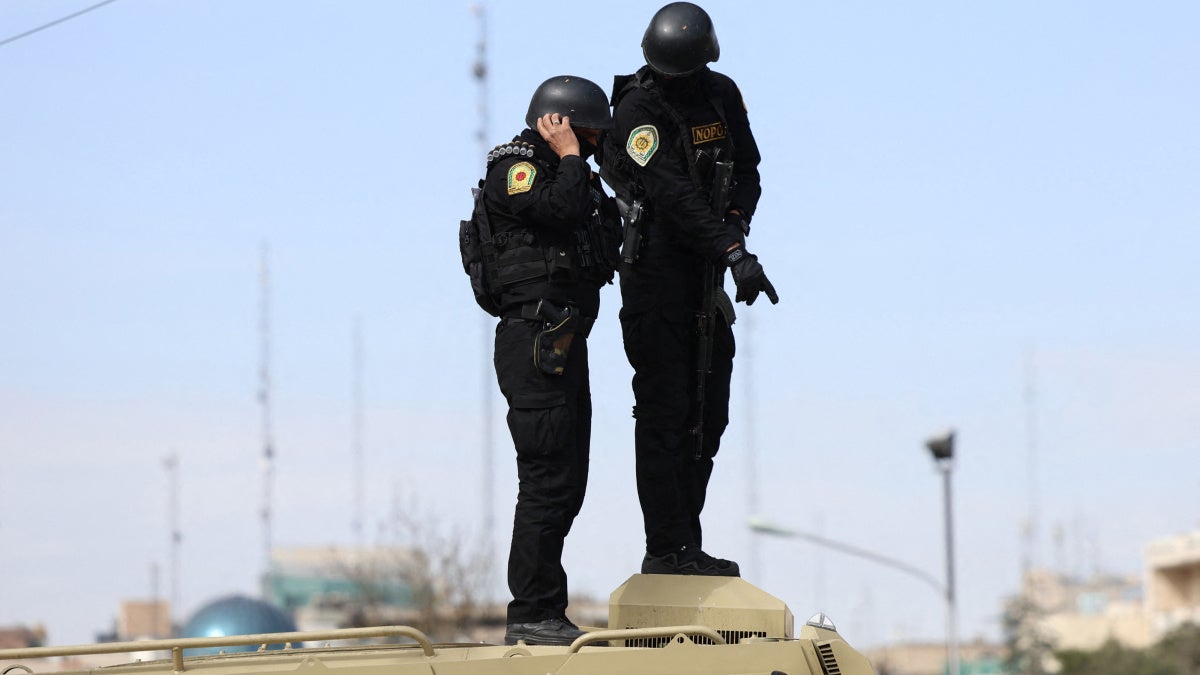
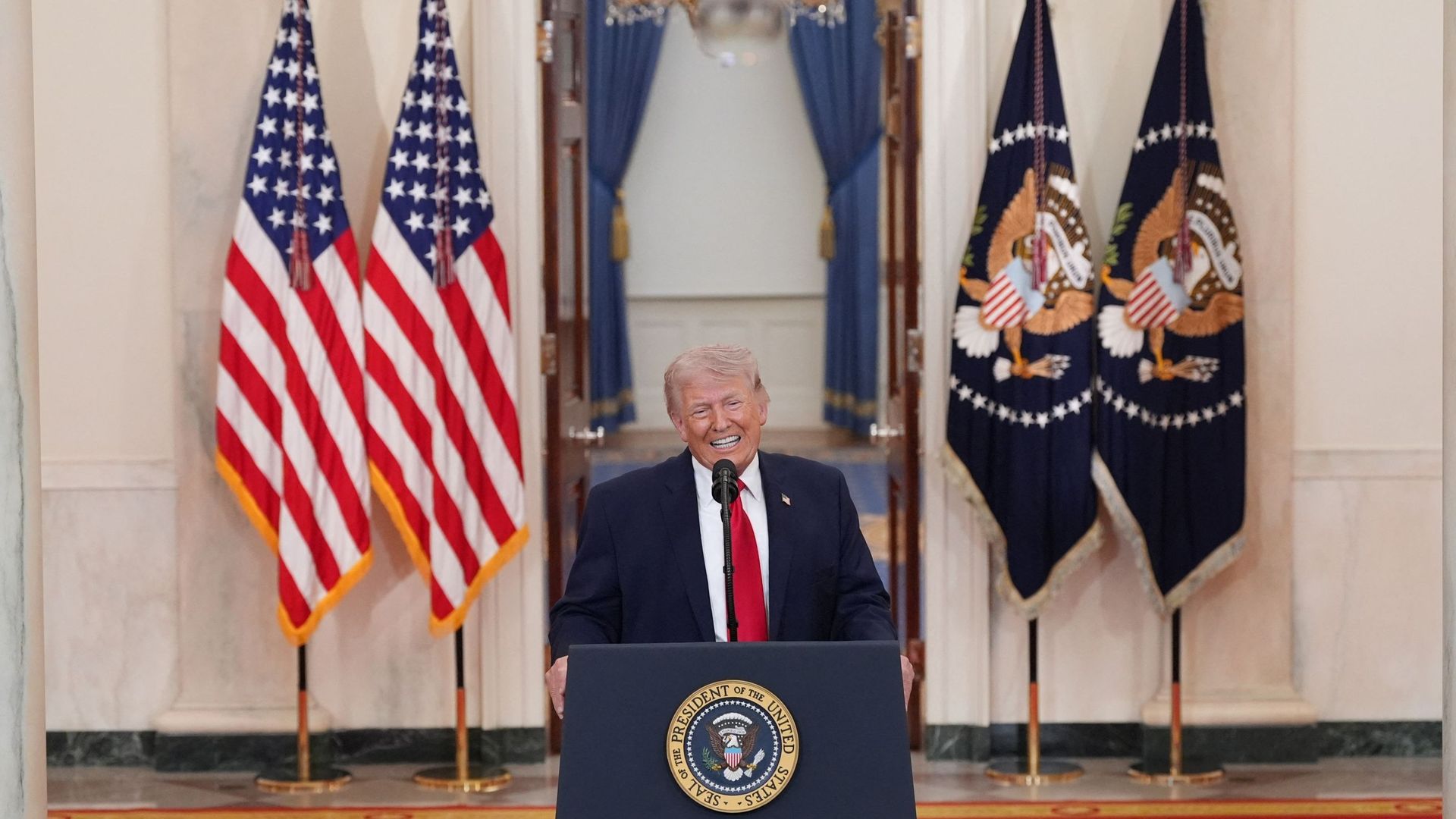
Speaking to the media outside the Security Council in New York, the UN Secretary-General painted a bleak picture of the fast-deteriorating situation. Israel and the US are continuing to bomb Iran, while Tehran is carrying out attacks on neighboring Gulf States and threatening ships in the crucial Strait of Hormuz. “Every day this war continues, human suffering grows. The scale of devastation grows. Indiscriminate attacks grow,” Mr. Guterres emphasized. He highlighted the targeting of civilians, civilian infrastructure, and the increasing risks to the world economy, especially affecting vulnerable societies reliant on energy imports.
The Secretary-General warned about the serious consequences that are no longer confined to the region, particularly emphasizing the severe disruptions to freedom of navigation. “When the Strait of Hormuz is strangled, the world’s poorest and most vulnerable cannot breathe,” he cautioned. He pointed out the visible impact on people’s daily lives, struggling with rising food and energy costs in various countries like the Philippines, Sri Lanka, and Mozambique.
To address the escalating crisis, the Secretary-General announced the dispatch of his Personal Envoy, Jean Arnault, to assist in ongoing peace initiatives. Stressing the need to halt the cycle of death and destruction, he urged diplomatic efforts to be allowed the space and support to succeed. Mr. Guterres emphasized the importance of any resolution being firmly rooted in international law and the UN Charter, advocating for peaceful dispute resolution and respect for the sovereignty and territorial integrity of all Member States.
Directly addressing the involved parties, the Secretary-General called on the United States and Israel to end the war responsible for immense human suffering and devastating economic consequences. He also urged Iran to cease its attacks on neighboring countries. Mr. Guterres reminded world leaders that they hold the power to end the crisis and emphasized the necessity of choosing dialogue over destruction.
During a meeting of the Security Council, Assistant Secretary-General Khaled Khiari expressed deep concern over the attacks by the US and Israel on Iran and demanded an immediate cessation of Tehran’s attacks on Gulf States. The Secretary-General of the Gulf Cooperation Council condemned Iran for targeting vital civilian infrastructure, denouncing the attacks as a violation of sovereignty and international law. He emphasized that the GCC seeks peace, security, and stability for the people in the region.
In Syria, urgent needs persist as thousands of nationals and Lebanese flee the ongoing conflict. The UN’s top aid official, Tom Fletcher, highlighted the challenges faced by displaced families, emphasizing the efforts to rebuild and restore services amid the violence. Mr. Fletcher described the humanitarian teams’ continuous adaptation to assist those affected by the conflict in both Syria and Lebanon.