The fragile ceasefire announced Tuesday by the United States and Iran reflects the need of the two countries to find a lasting exit to the conflict, but could quickly come to an end due to the “maximalist” demands that they defend, analysts warn.
Publié Ã

Under what circumstances was the ceasefire concluded?
United States President Donald Trump had promised to make Iran a “hell” if the country refused to relinquish its control over the Strait of Hormuz, a crucial energy route, even going so far as to promise the destruction of a ” entire civilization” if Tehran insisted on rejecting its demands. Mediation led by Pakistan, however, allowed the announcement, a few hours before the deadline, of a ceasefire which should lead to the holding of formal negotiations in Islamabad on Friday.
Are there consensus on the terms of the ceasefire?
The two camps agreed to cease hostilities for two weeks, but the terms of the ceasefire remain “ambiguous” and prone to slippage, according to Thomas Juneau, a Middle East specialist attached to the University of Ottawa. The United States agreed, in concert with Israel, to put an end to their offensive against Iran during this period in return for a temporary reopening of the Strait of Hormuz, but differences of interpretation quickly emerged on Wednesday on the scope of these commitments. The stated desire of Prime Minister Benjamin Netanyahu’s government to intensify attacks in Lebanon against Hezbollah, an ally of Iran, was denounced as a violation of the ceasefire by Tehran, which blocked the planned passage of oil tankers into the strait in retaliation after allowing a timid resumption of traffic earlier in the day.
Donald Trump declared for his part that the conflict in Lebanon was distinct from that with Iran and was not affected by the ceasefire, going against what the Pakistani authorities had announced the day before. “The Iranians want to put pressure on Trump so that he puts pressure on Netanyahu to stop the fighting in Lebanon” without going so far as to outright torpedo the ceasefire, said Alex Vatanka, a Middle East specialist attached to the Middle East Institute.
Why has the principle of a ceasefire been accepted now by Iran and the United States?
Krister Knapp, a history professor at Washington University who specializes in the study of conflict, notes that both countries were looking for an “exit route” to halt, at least temporarily, the ongoing escalation. Donald Trump had “backed himself to the wall” by promising to launch a large-scale attack on Iran’s key civilian infrastructure that he “did not really want to carry out”, thinks the researcher. Alex Vatanka notes that Mr. Trump also saw difficulties piling up on the political and economic level.
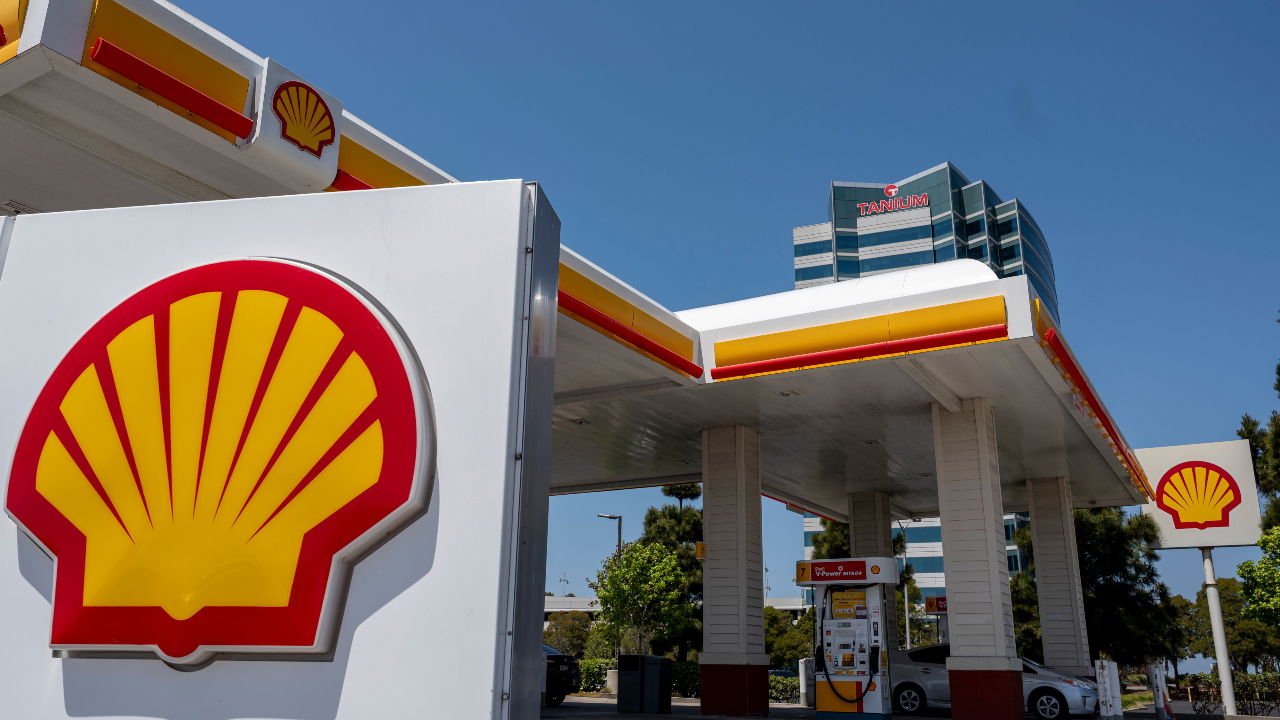
The war, he says, is making waves in the United States in Republican ranks, as is the surge in gasoline prices linked to Iran’s attacks on energy infrastructure in Gulf countries and the control of maritime traffic in the Strait of Hormuz. As for the Islamic regime, although it is pleased to have resisted American and Israeli attacks, it “suffers” considerably from the military offensive launched against it and wanted a break to make way for negotiations, believes Mr. Knapp.
Can these negotiations, if they move forward, lead to a lasting agreement?
Thomas Juneau believes that concluding a ceasefire was “the easy part” and that the rest of things look much more difficult. The attitude of the Trump administration and Iran, both of which claim to have won a historic victory through their actions, leads them to put “maximalist” demands on the table. The President of the United States, known as Mr. Juneau, was open on Tuesday to the idea of negotiating based on proposals from Iran, but the White House changed course on this subject on Wednesday, claiming to be inspired instead by an American plan. in 15 points which was decried a few weeks ago as a demand for surrender by Tehran, particularly with regard to its right to enrich uranium.
Mr. Juneau believes that the Iranian regime will ask for “big concessions”, in particular the lifting of sanctions and solid guarantees against new attacks, by threatening to block the Strait of Hormuz if necessary. “It’s a huge lever for them, they’re not going to give it up,” he said. Mr. Knapp believes that Donald Trump will be intractable on the issue of uranium enrichment with a view to preventing any future development of an atomic bomb. The other issues are more “negotiable”, believes the researcher, who considers a return to arms before the planned two-week period possible if the talks bog down.