The Bank of Japan said soaring oil costs and supply chain disruptions caused by the Middle East conflict could weigh on the economy, signaling caution over risks of slowing growth that could prompt restraint in its monetary tightening cycle.
This assessment, from a report based on findings from the bank’s regional branches, contrasts with the board’s “hawkish” debate focused on the inflationary risks of war, highlighting uncertainty over the BoJ’s ability to raise rates this month.
In its quarterly report, the BoJ said several regions have already seen businesses come under pressure from rising input costs and raw material supply disruptions caused by the conflict with Iran.
“As uncertainty increases, some companies fear that rising prices, mainly for energy, will hurt corporate profits and consumption,” said the report released Monday.
Concerns were also expressed by businesses over possible widening supply disruptions, with the bank warning the conflict could affect regional economies depending on how the situation develops.
In Osaka Prefecture, a chemical manufacturer reduced production due to lack of certainty about the arrival of raw materials, while a transport company reported a potential increase in costs due to the diversion of exports initially transiting through Dubai, the report said.
“The impact seems limited for the moment. But if the conflict intensifies or persists over time, the shock on economic activity could become widespread,” declared Kazuhiro Masaki, director of the BoJ branch in Osaka.
“It’s not just about the impact on prices, but about the availability of goods,” Masaki said at a press conference. “Many companies seem worried about the consequences of a prolonged conflict.”
In this report, the BoJ maintained its optimistic economic assessment for the nine regions, with consumption holding up thanks to inbound tourism and rising wages.
Regarding the wage outlook, many regions report that companies plan to increase pay this year at a pace close to that of last year, although some say their plans could be revised depending on the outcome of the Middle East conflict.
This report, based on surveys carried out by regional branches until the end of March, will be among the elements that the BoJ will examine to decide on a possible rate increase at its next monetary policy meeting on April 27 and 28.
UN SENTIMENT D’INQUIÉTUDE DIFFUS
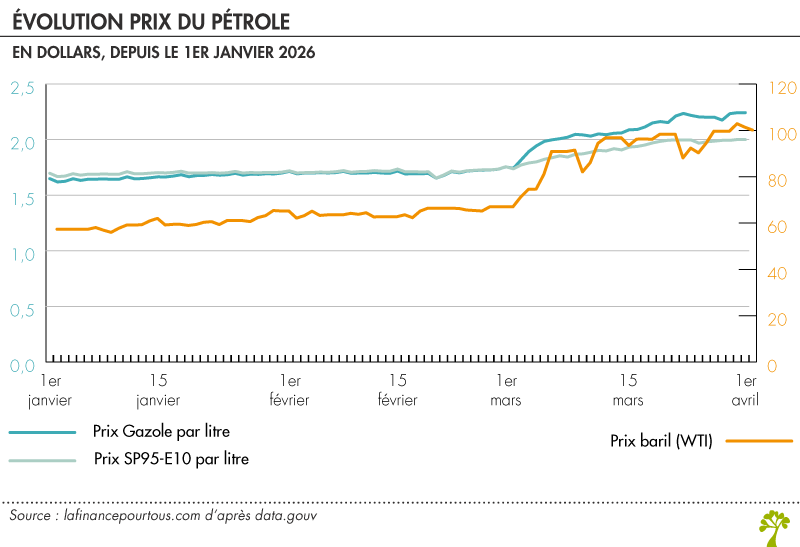
Markets were shaken after the war with Iran effectively closed the Strait of Hormuz, a strategic crossing point for about a fifth of global oil and gas flows, propelling crude prices and the safe-haven dollar against the yen.
The conflict is complicating the BoJ’s rate hike trajectory, although growing inflationary pressures and its aggressive messaging have led markets to anticipate a roughly 70% chance of a hike in April.
The surge in oil prices and the increase in import costs due to the weakness of the yen are accentuating inflationary pressures on an economy which is already experiencing several years of constant growth in wages and prices.
However, the rise in fuel prices also weighs on an economy heavily dependent on imports and on company margins, which could weaken the virtuous wage-price cycle considered by the BoJ as a prerequisite for further monetary tightening.
Some companies said they were considering or announcing price increases following the recent depreciation of the yen and the surge in oil, the report noted.
But many companies are not yet sure how developments in the Middle East will affect their businesses, Masaki said.
Tomohiro Nakayama, head of the BoJ’s Sapporo branch covering the northern prefecture of Hokkaido, said businesses in the agricultural-heavy region had not yet complained of shortages of chemicals such as fertilizer.
“But a widespread feeling of concern is spreading about a possible reduction in supply in the future,” he concluded.