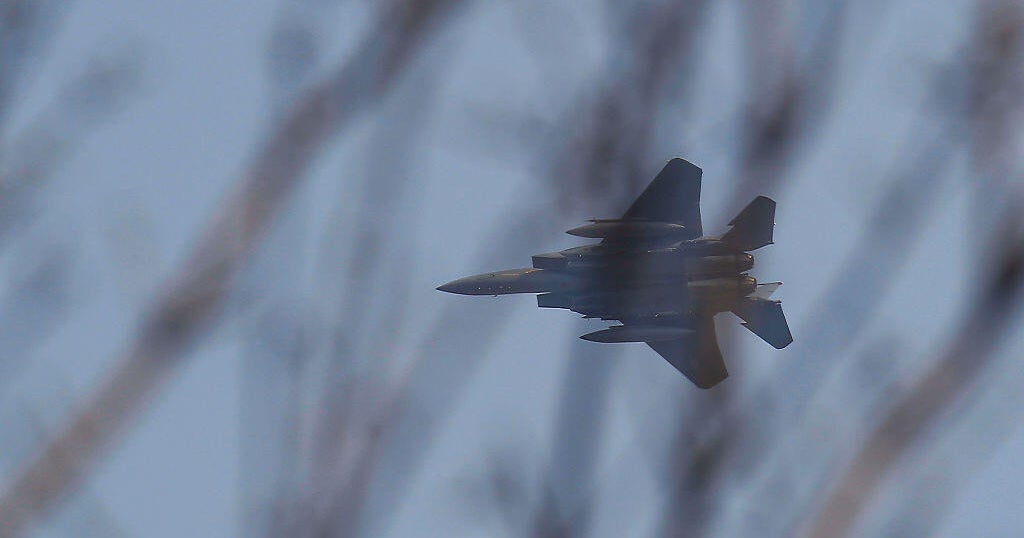
On the weekend that US-Israeli drones first began to rain down on Tehran, energy traders across the world’s major financial centres began to redraw their strategies. When they returned to their trading desks on that March Monday morning, they found oil and gas prices spiking amid a market nightmare made real: the unprecedented shutdown of the vital trade route through the Strait of Hormuz.
“I had been telling our oil trader for weeks to be ready for a war with Iran,” said one trading analyst at a major European energy company. “But he didn’t see it. The market was oversupplied, and prices were already looking higher than they should, so he shorted the market. That guy lost millions after the first strikes,” he said. “He’s an idiot.”
In the weeks since war engulfed the Middle East, global energy markets have whipsawed in response to the escalating conflict as it throttled flows of fossil fuels to the global market and damaged the vital energy infrastructure underpinning the Gulf economies. Brent crude, the international oil benchmark, registered its steepest one-month gains and some of the most dramatic daily price fluctuations ever recorded. The impact has rippled across markets for gas, fuels and fertilizer; reverberating through equity markets and raising fears for the global economy.
Market volatility creates opportunities for traders to make money. But it also raises the risk of sharp losses. In a world away from the futures trading of hedge funds and investment banks, energy traders in the physical market – those responsible for the deals which connect cargoes of crude and gas to buyers around the world – the crisis is a logistical calamity with few clear solutions.
“I bet everyone thinks we’re having a great time, watching as the price climbs higher. But if your job is to connect cargoes to buyers, then it’s a lot less fun. If you’re not sure which way the market is going to go on any given day, you can still lose money,” one industry source said.
In the global scramble to secure supplies, tankers loaded with millions of barrels of crude have U-turned in the Atlantic as they are diverted to Asia where the crisis is most acute. Almost a dozen super-chilled tankers of liquefied natural gas have changed their destination mid-voyage from Europe to Asia. From their Swiss headquarters, the world’s biggest commodity trading houses – Vitol, Trafigura, Glencore, Gunvor, and Mercuria – have attempted to choreograph a rerouting of the world’s disrupted energy supplies. If they succeed, the financial rewards can be eye-watering.
After the 2022 energy crisis, more than 3,000 traders at Vitol were reportedly paid an average of just over $785,000 each in salary and bonuses. Shareholder payouts to its 450 top executives and traders, who also own the company, totaled $2.5bn in 2022 and another $2.5bn in the first half of 2023. But the current crisis is more complex, and is estimated to have an impact 17 times larger than the halt of Russian energy supplies. The Gulf is responsible for supplying a fifth of the world’s oil and gas, a quarter of the world’s seaborne jet fuels, and almost half of global supplies of urea used to make the fertilizer vital for agriculture. Already, emergency rationing plans have been put in place in some countries in Asia and Africa, and Europe is bracing for potential shortages in the weeks ahead.
When a small group of European energy market traders met for lunch at a restaurant in London’s Square Mile a couple of weeks into the crisis, there was only one rule: no discussion of the supply shock ripping through the markets.
“For obvious reasons,” quipped one European gas trader who attended the lunch. Discretion is standard for traders wary of giving away their market positions, but there is nothing standard about the markets in which they are trading today.
After a choppy few years in which shipping and energy markets have been disrupted by the pandemic, a container ship wedged in the Suez Canal, and the war in Ukraine, the Iran conflict brings fresh uncertainties.
Content continues…