More than five years after Apple’s entry into the over-ear headset market – with a model that stood out for its high-end construction and a consistent price – the Cupertino-based technology giant is now launching a second generation.
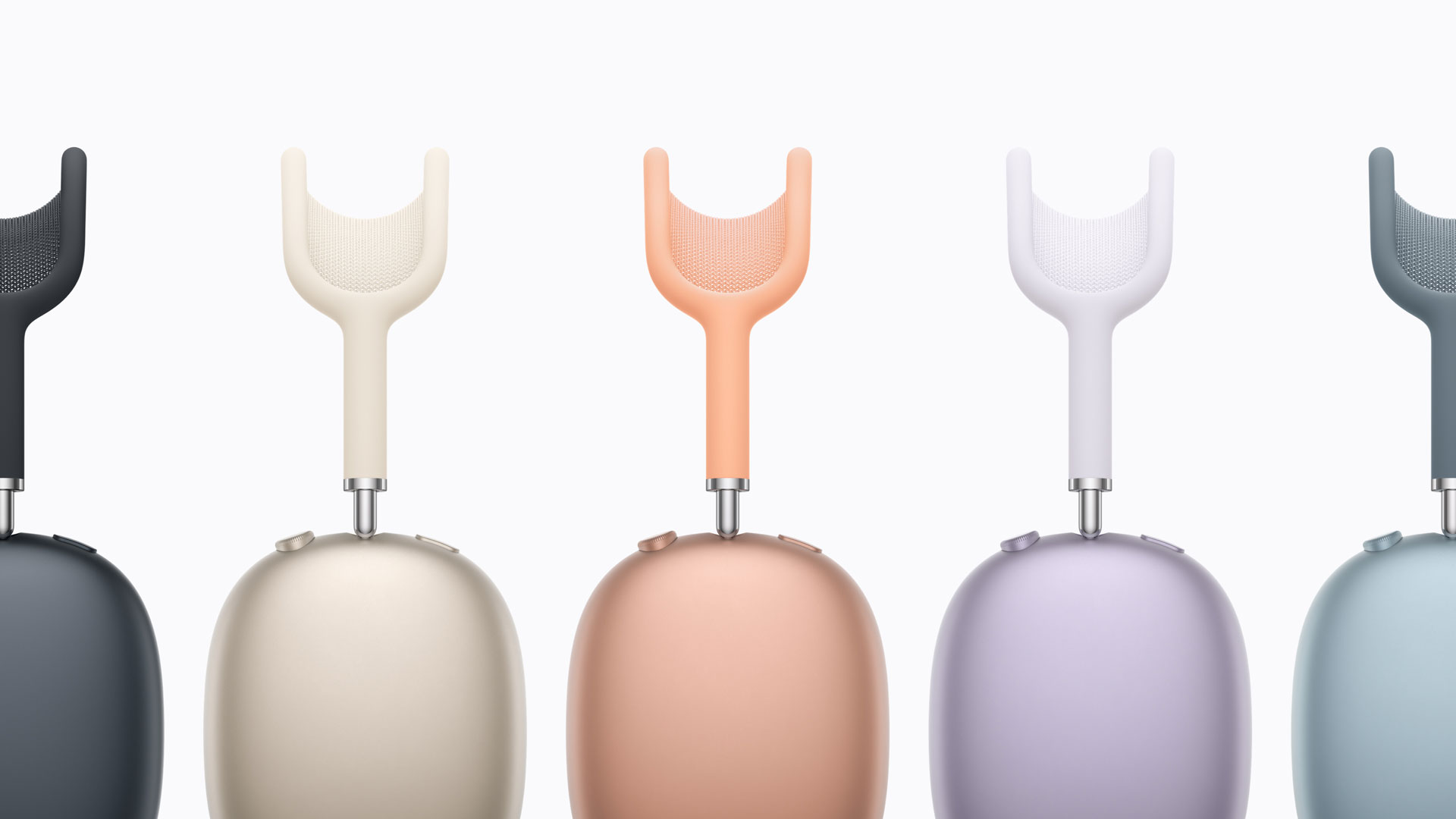
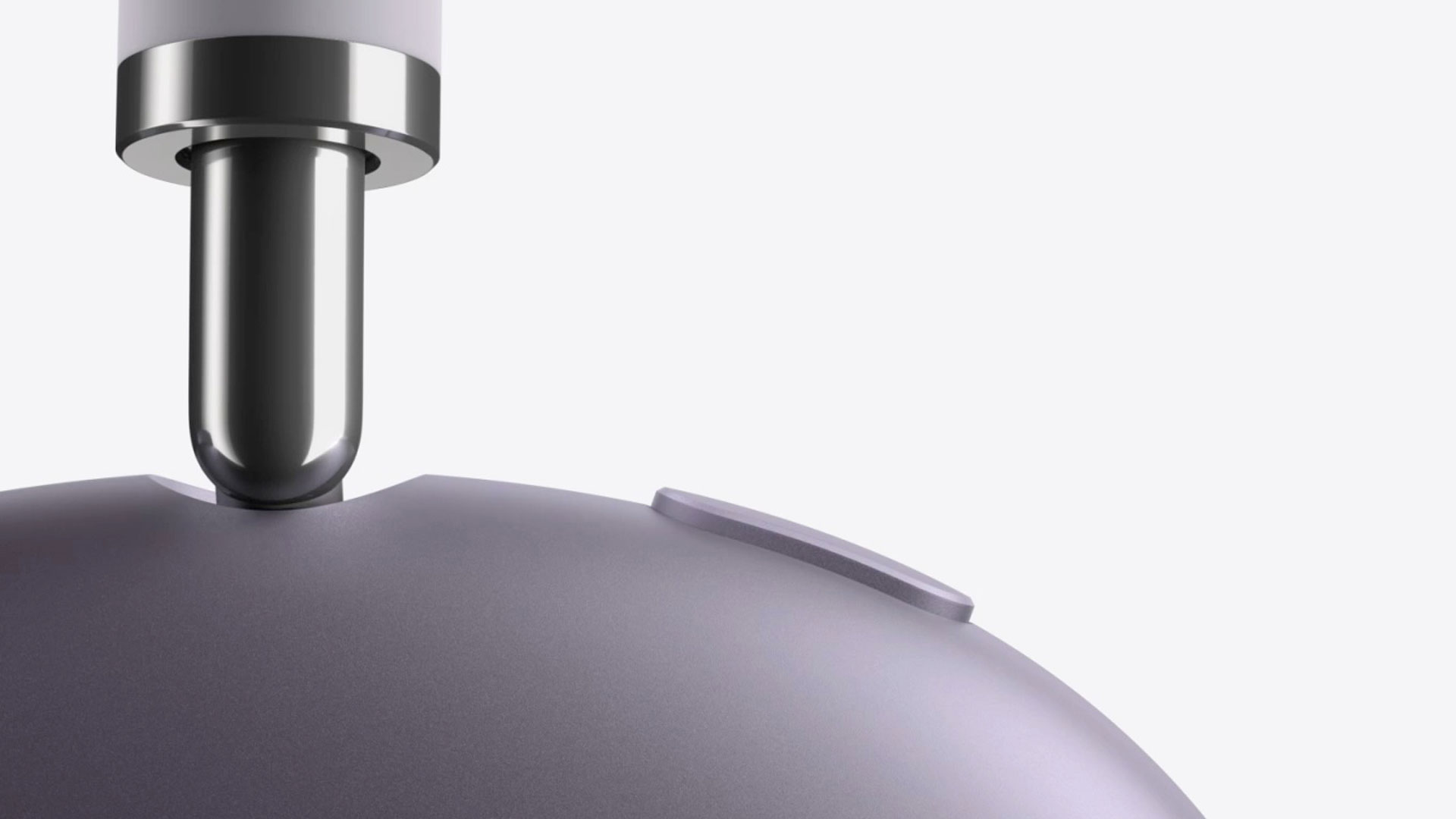
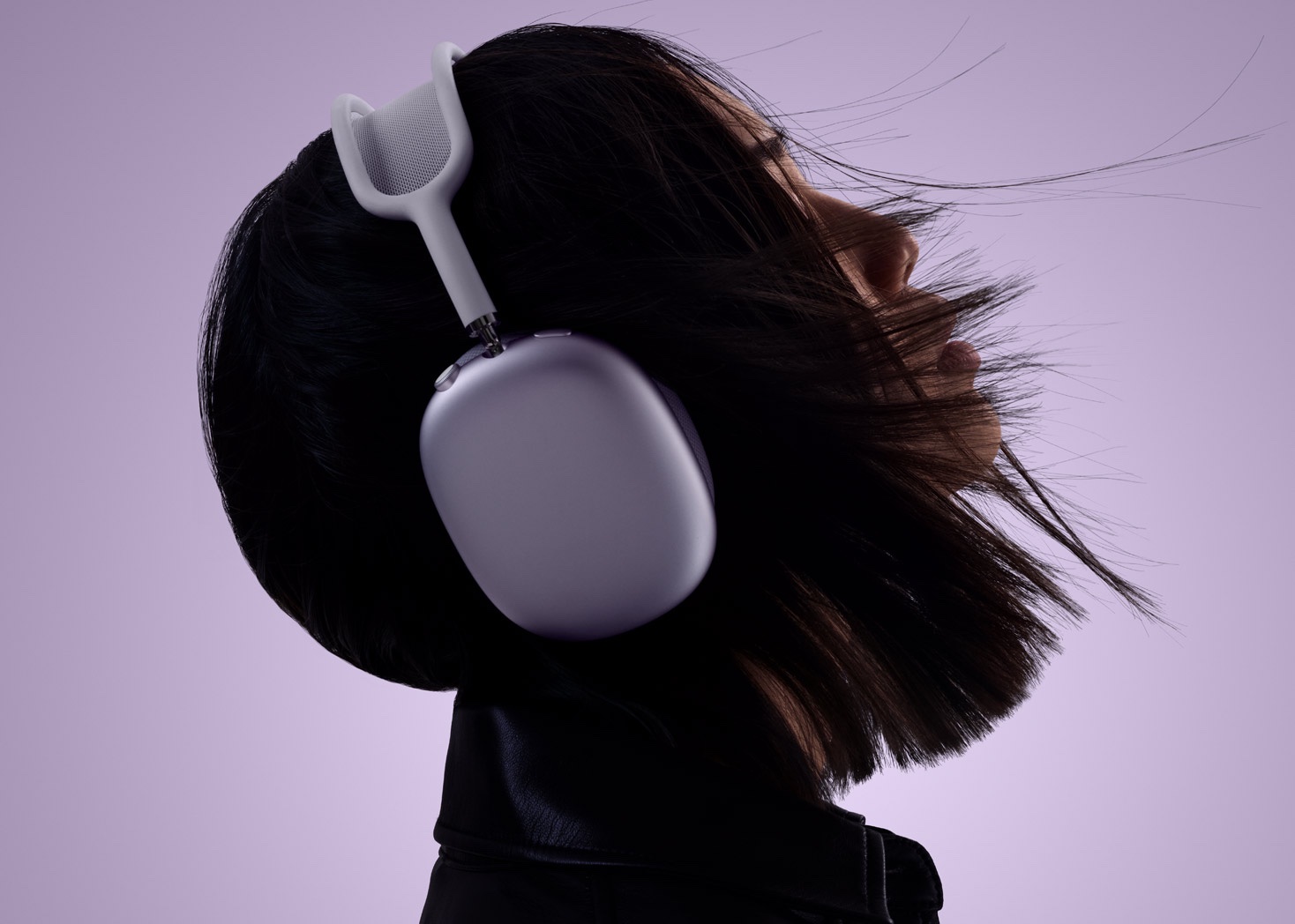
At first glance, it’s difficult to tell the difference, and that’s precisely the goal. The AirPods Max 2 retain the original iconic design: aluminum and stainless steel elements that give them a certain weight, connected at the top not by a classic hoop but by a mesh arch that helps distribute pressure better.
The over-ear format remains almost identical, and the colors are very familiar – these are the five hues introduced when Apple replaced the Lightning port with USB-C in 2024.
At Apple, when we design chips, it’s always the product that comes first
Tim Millet
The changes concern everything that is not visible: two H2 chips replace the original H1, a new digital amplifier inherited from the AirPods Pro 3 appears, and the processing architecture is described by Apple engineers as having much greater room for maneuver than what is used from the start. launch.
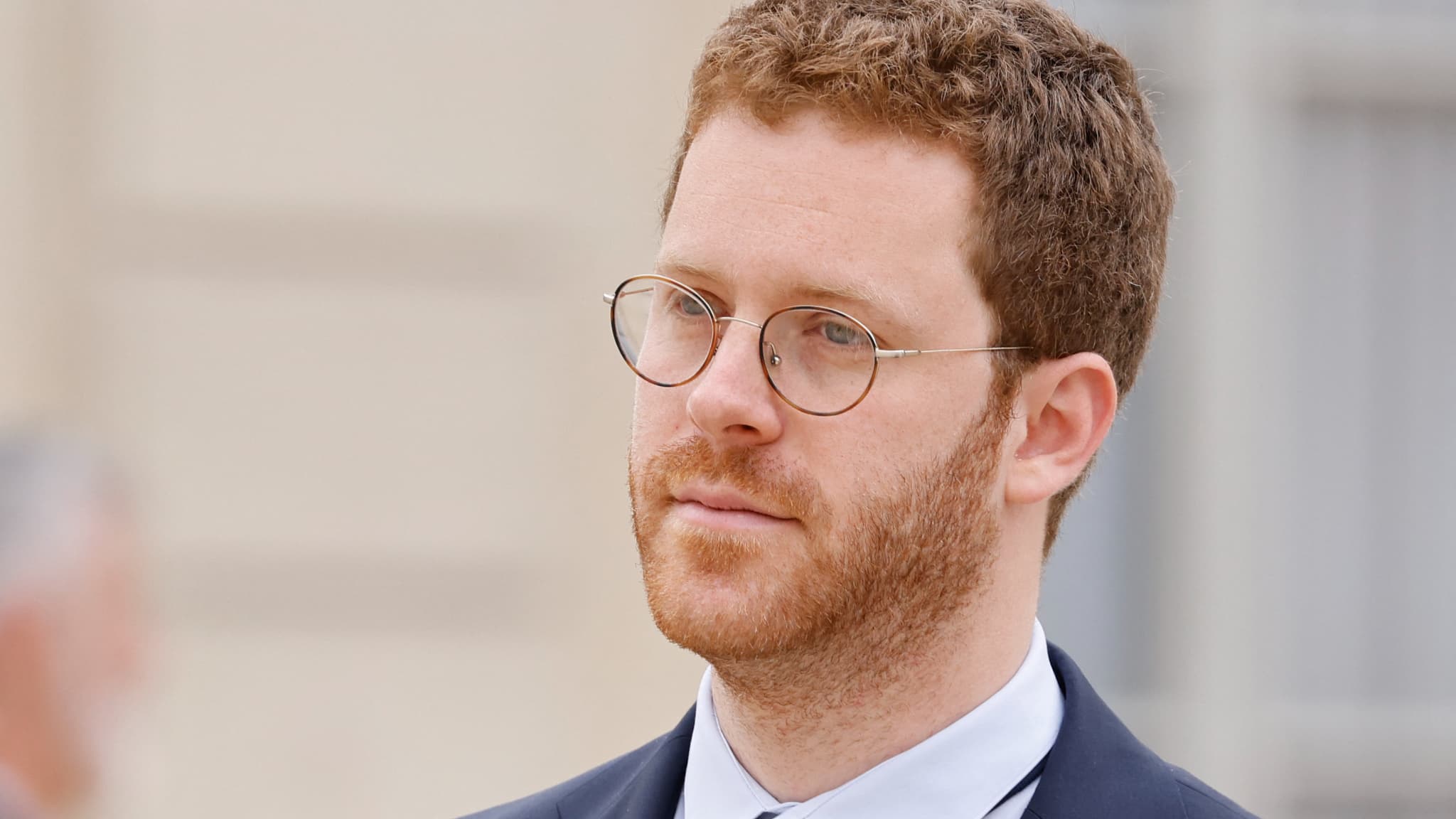
To understand what that means in practice five years later, TechRadar spoke with Tim Millet, Apple’s vice president of platform architecture, and Eric Treski, director of audio product marketing, to analyze how the AirPods Max 2 are finally catching up to their own ambitions.
Designed for the product, not the market
“When we design chips at Apple, it’s always about the product. We don’t sell our chips on the open market, and that gives our teams the luxury of knowing exactly what they’re working for,” says Millet.
It’s this philosophy that defines the AirPods Max 2 – and which makes the upgrade to the H2 much more than a simple evolution of the technical sheet. Rather than integrating an off-the-shelf component, Apple has developed a custom-designed audio streaming processor, co-developed from the outset. starting with the acoustics and firmware teams The objective, according to Millet, is to ensure that “the only limit is that imposed by physics”.
The processing capabilities thus unlocked are significant. According to Millet, “some of the processing done here generally exceeds the computing power available on a Mac — but because everything is specifically optimized for audio, it can be accommodated in these compact formats.”
“Giga floating-point operations have been implemented in the most energy-efficient way possible,†he adds. And above all, everything converges towards an essential constraint on which Millet insists: “Everything is a question of latency. It’s hard to fool the human mind when it comes to audio. HAS”
Active noise reduction without hardware modification
One of Apple’s boldest claims for AirPods Max 2 is a 1.5x improvement in active noise reduction – achieved without changing any physical components. “Achieving these improvements in ANC, and especially 1.5x improvement, is an achievement in itself, especially without changing the physical design of the headset, its shape or its features. materials,” says Treski.
This improvement does not only concern a specific frequency band. “This average of 1.5 times applies to all frequencies. It’s not about selecting certain frequencies or a particular range,” he explains. The AirPods Max 2 should therefore perform better against both bass and powerful sounds as well as higher-pitched noises – a major challenge, the original AirPods Max already being very effective in terms of sound isolation.
This is a real achievement, especially since we haven’t changed the design of the helmet at all.
Eric Treski
On the AirPods Max 2, this gain is entirely based on the processing speed and the improvement of the algorithms, executed on the H2. “Improving ANC by 1.5x without touching the hardware is extremely difficult. This relies entirely on the computing power and optimized algorithms of the H2,” says Treski.
The arrival of the new Apple chip also brings a set of new features to the second generation AirPods Max. Leading the way is Adaptive Audio, which cleverly combines active noise reduction and Transparency mode to block out irrelevant sounds while letting in those that matter. For example, reducing the noise of a coffee shop while hearing someone speaking to you, or reducing the rumble of an airplane cabin while hearing an announcement. Already appreciated on the AirPods Pro, this functionality finds its place here.
Apple needed the headroom and processing power of the H2 to make this possible – which raises the question of what features future software updates might still unlock, although that wasn’t discussed during the interview.
Audio quality and customization
In parallel with the upgrade to the H2, Apple is integrating the digital amplifier of the AirPods Pro 3 – a more discreet development but with significant consequences.
Treski talks about distortion and reference fidelity: “It’s really about getting back to a target — making sure you get the best fidelity possible with a lower total harmonic distortion rate. This provides more headroom and increased clarity. HAS”
This headroom directly feeds the adaptive EQ, which runs continuously and cannot be turned off. “There is no option to turn off adaptive EQ… thanks to the microphone being able to determine what should be heard via a reference mic responsible for correcting the ambient air, then applying adaptive EQ 48,000 times per second over a range extended towards high frequencies. “It’s essential, especially with ANC, to do all of this in real time,” says Treski.
The result is a more consistent listening experience, regardless of head shape, ear fit or insulation quality – standardizing sound reproduction for each user rather than relying on a fixed curve.
Custom Spatial Audio also benefits from this consistency. Previously, Apple had to adopt a conservative setting because it could not take into account individual differences. On older AirPods Max without Custom Spatial Audio, Apple “had to create one profile for everyone, so take a much more conservative approach…now it’s possible to allow more freedom to expand the soundstage,” says Treski.
A platform, not a simple product cycle
Upgrading to the H2 also unlocks a host of features inherited from the AirPods Pro 3 – including live translation, which Treski cites as one of his favorites. It uses beamforming microphones to isolate the voice directly in front of the wearer, rather than that of the wearer himself: “extremely complex to achieve”, he emphasizes, “without modifying the physical architecture of the microphones”.
This capability should also improve call quality, with AirPods Max 2 being better able to isolate the user’s voice from ambient noise. The other additions – Conversation Detection, Voice Isolation, Camera Remote Control and 5GHz support with Game Mode – rely on the same underlying architecture. The issue does not lie in an isolated functionality, but in the ability of the system to manage them all simultaneously.
H2 is this platform that continues to prove that it still has room for improvement
Tim Millet
For Millet, this is the essential thing. “The H2 is a platform that continues to demonstrate that it still has margin,” he says. The AirPods Max 2 may not represent the ceiling of their future capabilities – and this gradual evolution has already characterized the AirPods as a whole. The AirPods Pro have seen their features enriched over time, from Adaptive Audio to the Hearing Health suite in through Live Translation.
The AirPods Max 2 do not seek to display a visual break. They reflect Apple’s broader hardware philosophy: maintaining a stable physical design – especially when it is recognized – and expanding internal capabilities to introduce new features.
This is not a redesign. It’s a recalibration of what this same silhouette is now capable of accomplishing. And for most users, this difference will be essential — even if it remains invisible.