((Automated translation by Reuters using machine learning and generative AI, please refer to the following disclaimer: https://bit.ly/rtrsauto))
* First SDV in 2028, featuring semi-autonomous driving technology for highways
* Investment plans for the period up to 2029 have been revised upwards by 30%
* 20% reduction in electric vehicle sales target for 2030
(Added details on investment in paragraph 6 and partnership with Nvidia in paragraph 7) by Heekyong Yang and Hyunjoo Jin
South Korean automaker Kia Corp 000270.KS said on Thursday it had delayed its plans to build “software-defined vehicles” by about a year, to 2028, and announced a sharp increase in its investment plans, underscoring its struggle to catch up with companies such as Tesla TSLA.O .
Shares of the automaker fell following the plans announced during an investor presentation, closing down 5.5% compared to a 1.6% decline for the broader market.
Kia and Hyundai Motor 005380.KS, which together make up the world’s fourth-largest auto group, are considered laggards in self-driving technology and other software features compared to Tesla and their Chinese rivals.
Kia said its first software-defined vehicle (SDV) will be equipped with semi-automatic driving technology for highways in 2028, while a more advanced vehicle capable of operating on city streets will be ready in early 2029.
Last year, Kia said it planned to begin production of its first SDV in 2027.
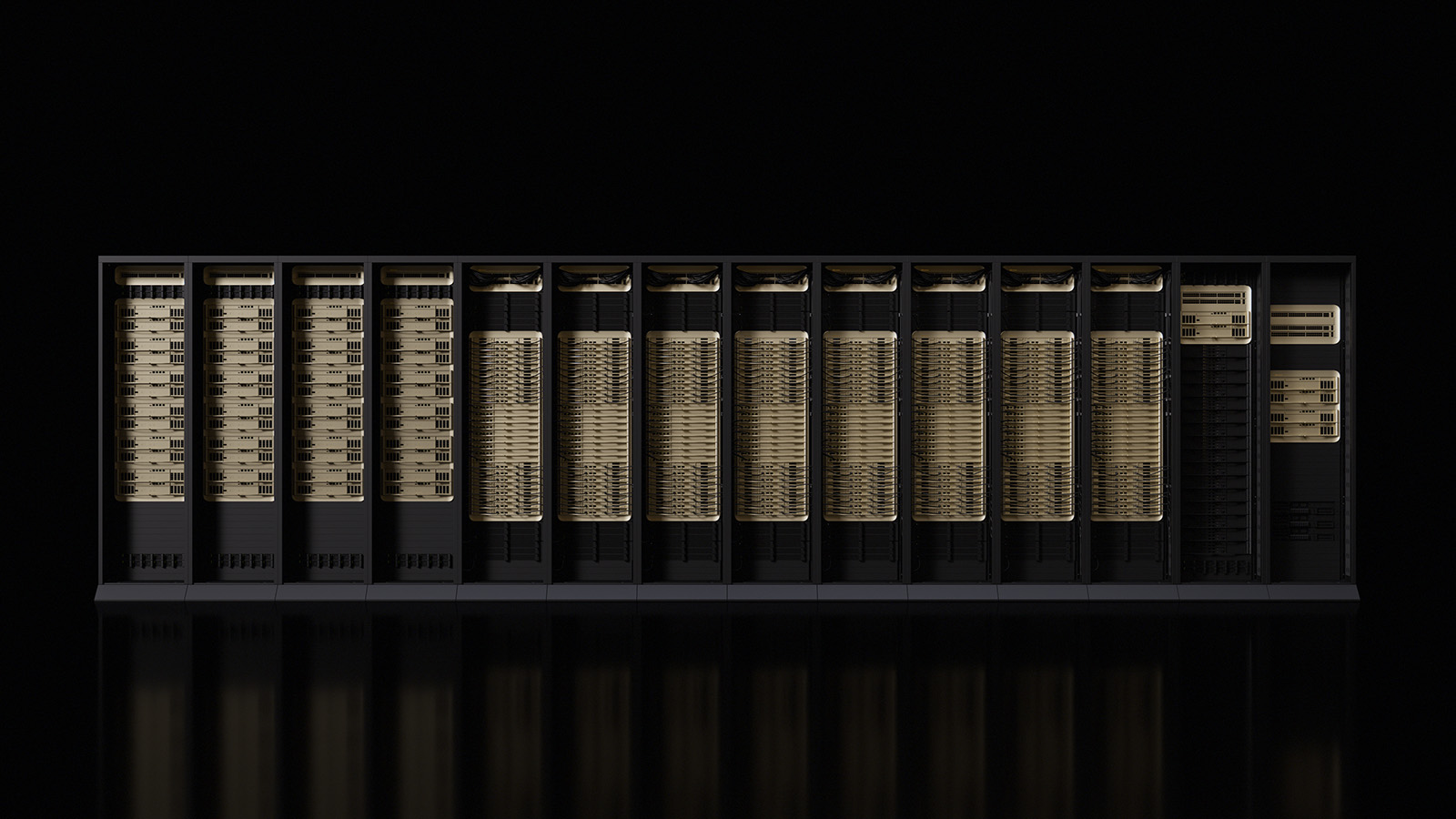
Kia said it would invest more than $500 million to strengthen its physical AI capabilities and vision-language-action models, while deepening strategic partnerships with technology companies such as Google’s DeepMind GOOGL.O and Nvidia NVDA.O.
Last month, Hyundai Motor Group announced an expanded strategic partnership with Nvidia to advance the development of autonomous driving technology.
SHARP INCREASE IN INVESTMENT PLANS
The delay comes after Hyundai’s former chairman, Song Chang-hyeon, who had spearheaded the group’s SDV efforts, resigned in December, sparking concerns that the group was falling behind in developing these technologies.
He was replaced by Park Minwoo, a former Nvidia and Tesla engineer.
Kia also said it now plans to spend 41.4 trillion won ($28 billion) between 2026 and 2029, 30 percent more than a previous estimate, to boost vehicle electrification, software and new technologies. activities.
At the same time, it cut its 2030 target for electric vehicle sales by about 20%, to 1 million units, reflecting weaker demand and the abandonment of EV subsidies in the United States last year.
Kia also lowered its sales target for 2030 for all vehicles, to 4.13 million units, which would correspond to a share of around 4.5% of the global market.
This would represent a 30% jump from last year’s sales of 3.14 million units, where Kia had a 3.5% market share. Kia also plans to increase its annual sales of hybrid vehicles to 1.1 million units by 2030, an increase of about 60% over this year’s target.
Kia has joined Hyundai in unveiling its plans to deploy Atlas humanoid robots developed by Boston Dynamics. It will use them in a factory in the US state of Georgia from 2029.
Hyundai plans to use the robots in a new factory in Savannah, Georgia, starting in 2028 and has said it wants to build a factory capable of making 30,000 robots a year by then.
(1 $ = 1 481.1000 won)