A French-Japanese team presented a world first in Tokyo, encrypting a message using DNA-based technology. A document was securely exchanged using two identical keys created in Paris and Tokyo from synthetic DNA.
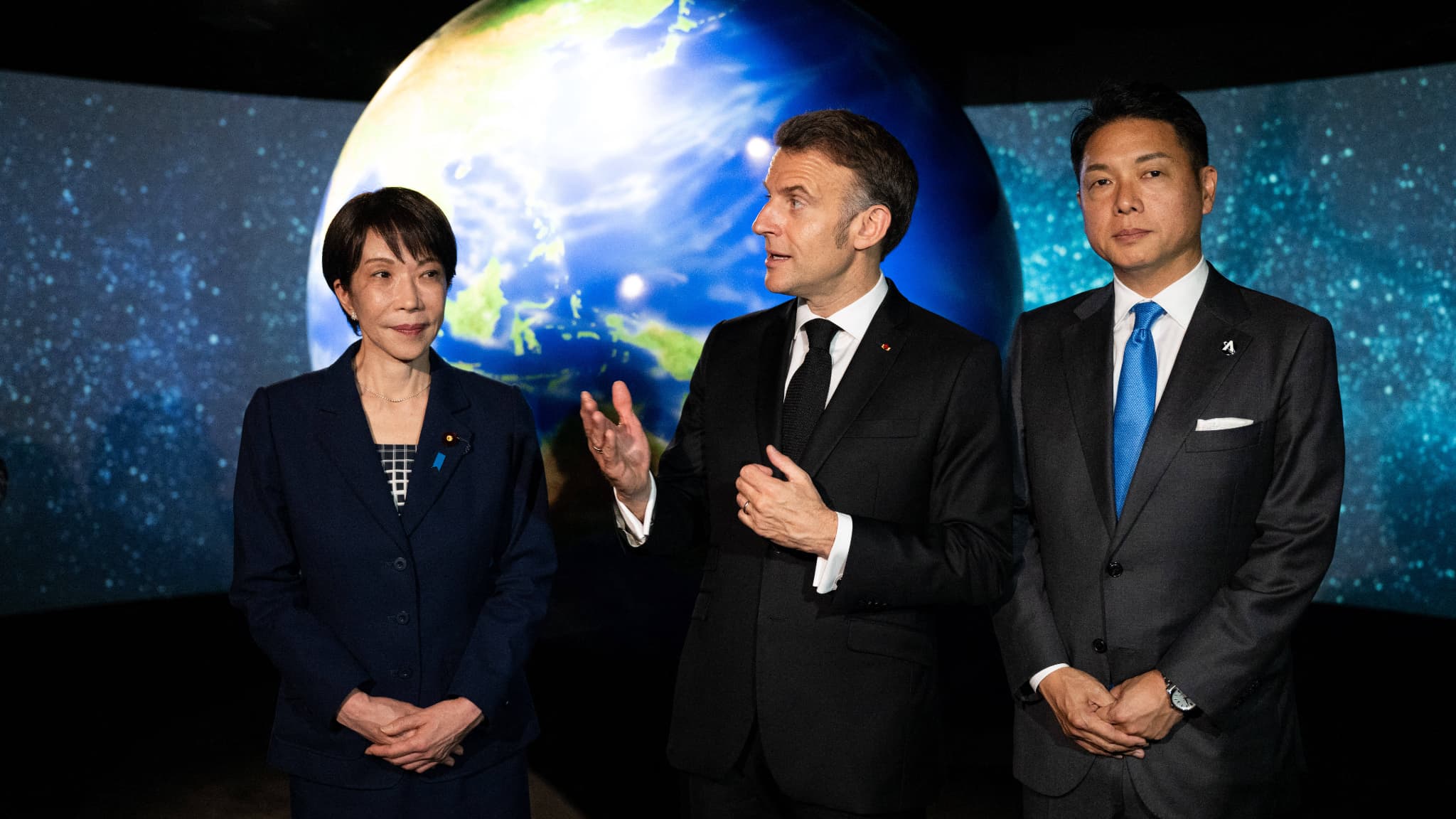
During Emmanuel Macron’s visit to Tokyo, researchers revealed a “world first” in deciphering a message using DNA technology at the LIMMS laboratory affiliated with CNRS. Macron called it “impressive” and highlighted the potential for innovation and development.
Researchers from France’s EPSCI Paris – PSL, University of Limoges, and IMT Atlantique, along with colleagues from the University of Tokyo, used DNA properties to create encryption keys for coding messages to ensure only those with the decryption key can read them.
To achieve unbreakable encryption, keys must be as long as the message, completely random, and one-time use. The French-Japanese team successfully created such keys from synthetic DNA, which has no biological function or genetic information.
Due to the density and stability of DNA, senders and recipients can share a vast amount of keys pre-communication to store for decades. Powerful sequencing machines at both ends convert DNA molecules into binary code (0s and 1s) to encode, send, and decode messages up to hundreds of megabytes.
Scientists developed methods to detect interception attempts before use. One major advantage of this technology is the ability to exchange encryption keys over long distances, unlike with fragile quantum cryptography.