A historic and very symbolic mission
With Artemis II, NASA is taking a new step in its lunar program. This manned mission must carry out a flyby of the Moon before returning to Earthpaving the way for future moon landing attempts with Artemis III.
This is the first manned flight around the Moon since the Apollo missions in the 1970s. On board, four astronauts prepare to move away from Earth as no human has done in over half a century: Reid Wiseman (mission commander), Victor Glover (pilot), Christina Koch (mission specialist) and Jeremy Hansen (mission specialist).
iPhones in space: an unexpected first
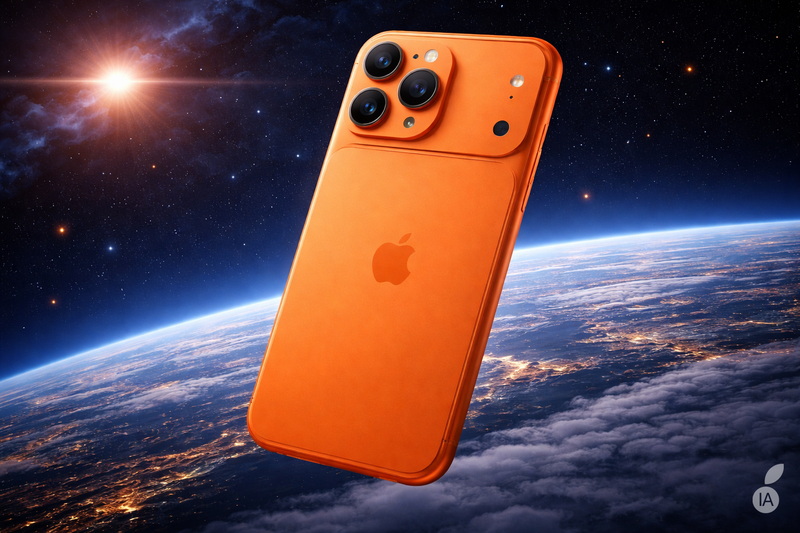
But beyond the technical feat, one detail particularly attracts attention: the presence of personal smartphones on board. For the first time, NASA is allowing its astronauts to bring their own phones, whether iPhone or Android devices. Until now, only certified and specific equipment was used in space.
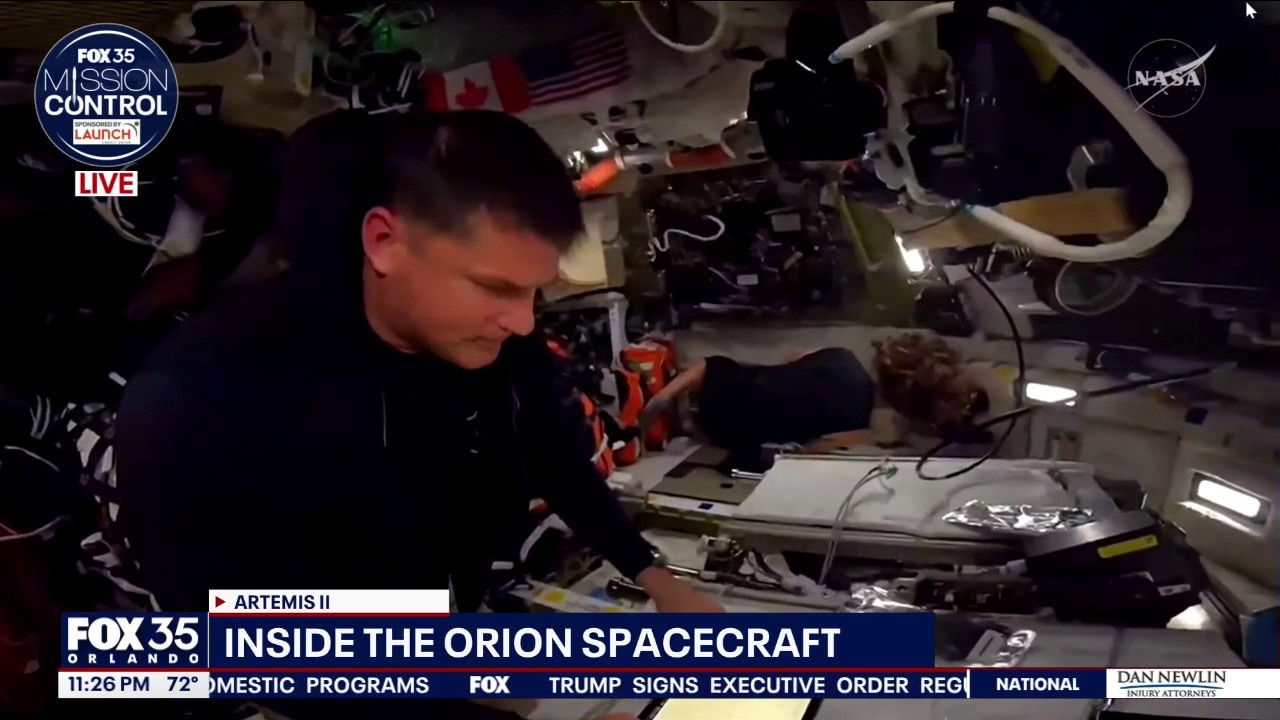
Images shared on social networks already show the devices in action. In particular, we see iPhones floating in weightlessness, being thrown from one crew member to another, or even being used to film the interior of the ship.
Ces séquences, both fun and unique, testify to an evolution of practices. Smartphones are no longer just everyday objects: they are also becoming on-board tools, capable of documenting a space mission in real time.
La lune ShotOniPhone ?
L’intérêt ne s’arrête pas là . Artemis II could offer the first close-up images of the Moon captured with consumer smartphones. A fascinating perspective, both for space enthusiasts and the general public.
If technical conditions permit, these devices could complement the professional cameras already on board, with a more spontaneous and immersive anglef. A way to make space exploration more accessible and more human.
In the longer term, the use of smartphones could become widespread in manned missions, whether to document, communicate or even assist certain tasks.
A logical evolution of uses
This opening also marks a cultural change for NASA. After decades of strict protocols, the agency now appears to be integrating more everyday tools into its missions.
Even if smartphones remain secondary to scientific equipment, their presence symbolizes a new era: that of a space a little less inaccessible, and more connected than ever. We can also wonder if they will be examined upon their return to earth to see possible physical manifestations? In terms of crashtest, the advertising is huge!
Section Fun Facts
Otherwise, in terms of fun anecdotes from the mission, we can spare a thought for the crew who had to face two major breakdowns: First of all, it was Outlook which refused to launch to communicate with the ground (requiring the assistance of the ground team) and, more problematic, a breakdown in the module’s toilets…
Speaking of toilets, know, vital information, that humanity now has 10 toilets in space. There are 4 in the International Space Station, 1 in the Crew Dragon docked at the ISS, another in the Soyuz docked at the ISS, 2 in the Tiangong Space Station, 1 in Shenzhou docked at the TSS and therefore finally that of Artemis II en route around the Moon. Know, to be completely complete on the subject that the toilet of Artemis II will be the first to leave low Earth orbit.
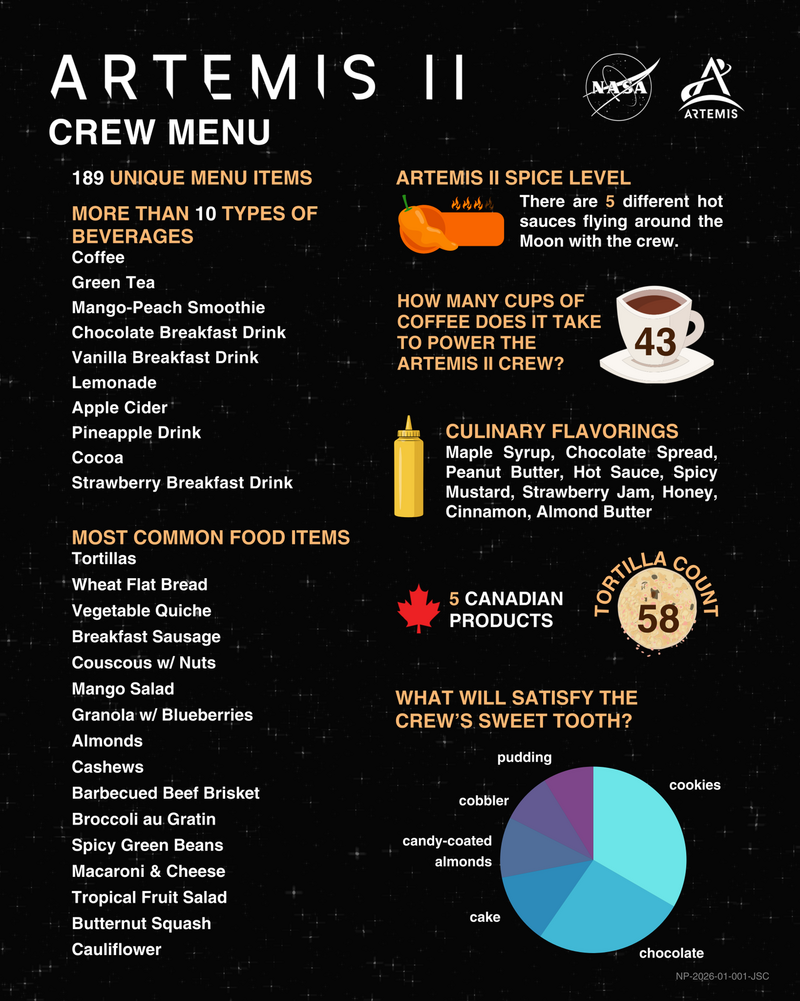
Let’s finish with the available menus. NASA published an article detailing all the food on board. There are tortillas, couscous, pasta and cheese, fruit salads, etc., as well as coffee, green tea, smoothies, ciders, etc.
What do you think?
VSeeing iPhones floating in weightlessness may seem anecdotal, but it actually reflects a profound evolution in space exploration. The space is no longer just an ultra-technical laboratory: it also becomes a field of experimentation for general public uses.
If Artemis II keeps its promises, these images could make an impact… and give an even more concrete dimension to the lunar conquest. A way, ultimately, to bring infinity closer to our pocket.