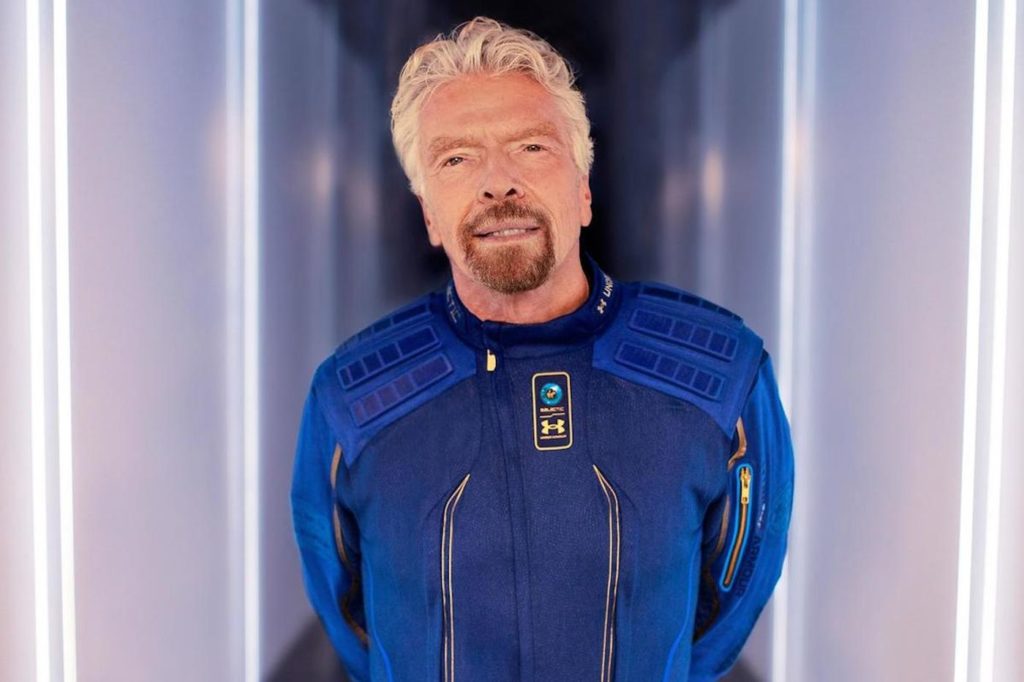
Richard Branson has not given up on making space tourism a credible commercial activity. Virgin Galactic has reopened reservations for its future suborbital flights, with the price now set at $750,000 per seat. This comeback comes after nearly two years of interruption of commercial operations, a break taken advantage of to reduce costs, review the group’s industrial strategy and accelerate the development of a new generation of devices supposed to make the model economically more sustainable.
A fresh start… with even higher prices
The new entry ticket confirms the “hyper-luxury” aspect of this new sector: at $750,000 per ticket, Virgin Galactic is positioning its offer more than ever towards an ultra-wealthy clientele, ready to pay very dearly for a 90-minute experience peaking at around 80 at an altitude of 90 kilometers, with only a few minutes of weightlessness before returning to Earth.
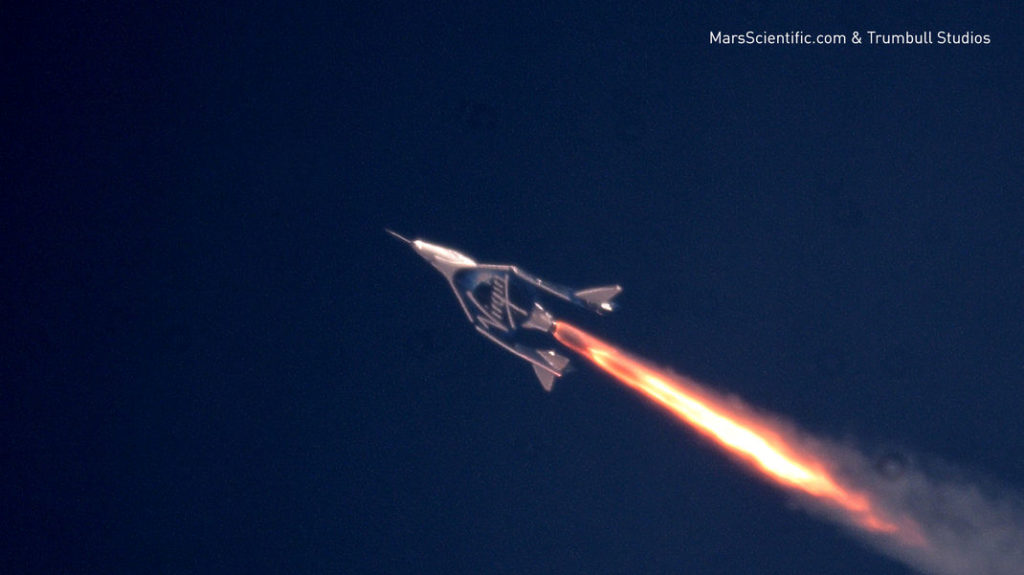
This price marks a significant increase compared to previous sales campaigns. The company is undertaking this repositioning, estimating that its future fleet will ultimately be able to fly more often, with a cost structure better suited than that of its previous vehicle. The bet is clear: fewer vague promises, more industrialization, and an increase in pace supposed to finally bring space tourism closer to a more repeatable model.
An expected return after a long operational break
Virgin Galactic had suspended its commercial flights after June 2024 to focus on its technological transition. His old device had succeeded in taking several crews to the edge of space, but at too slow a rate to hope to build a truly profitable activity. The company is now focusing on its new SpaceShips, the first model of which must enter the ground testing phase in April, before a flight testing phase later in the year.
A resumption of commercial flights by the end of 2026
The timetable now brought forward by the company aims for a resumption of commercial operations in the fourth quarter of 2026. The objective is not only to relaunch a few showcase missions, but to gradually increase the pace to better absorb development and operating costs. This is where the credibility of the project will come into play: no longer in the announcement effect, but in the capacity to transform a technological exploit into a regular activity.
Space tourism remains an economically precarious promise…
The basic problem, however, remains unresolved. Since its creation in 2004, Virgin Galactic has accumulated delays, technical setbacks and financial concerns, despite an intact reputation. The space tourism market, often touted as the next frontier of luxury, still remains tiny, even when compared to the volume of customers able to pay hundreds of thousands of dollars for a flight.
The costs of developing reusable machines are colossal, the safety constraints are extreme, all elements which do not facilitate the profitability of the sector. In this tense context, Blue Origin preferred to (temporarily?) throw down the gauntlet, which is therefore not not (yet) the case of Virgin Galactic.
Â