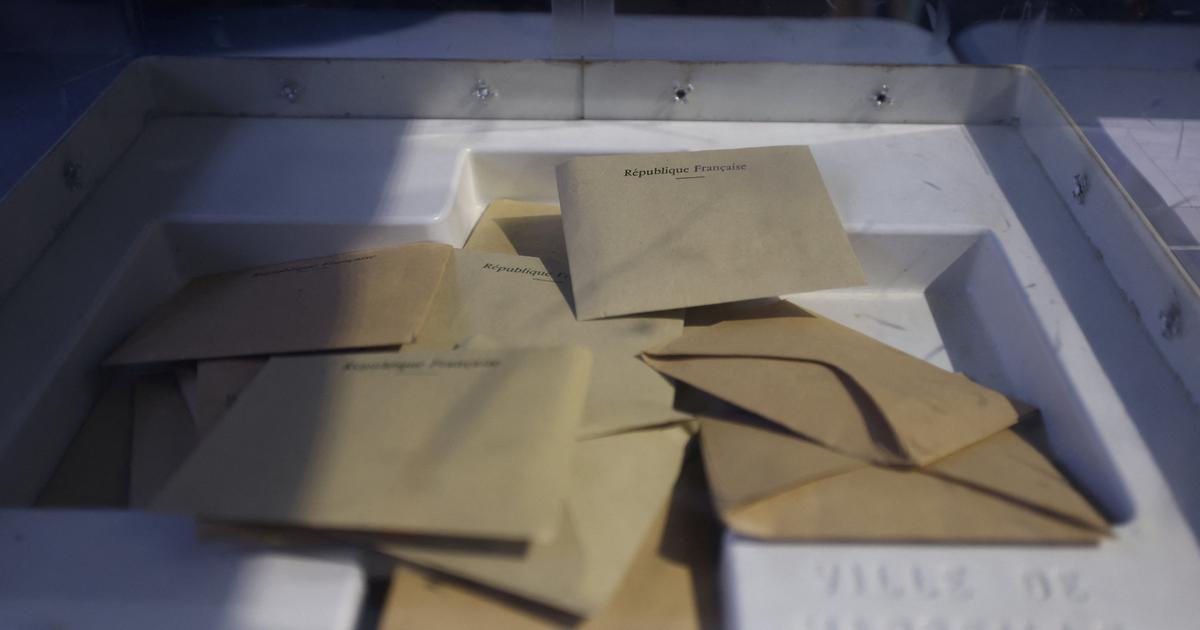
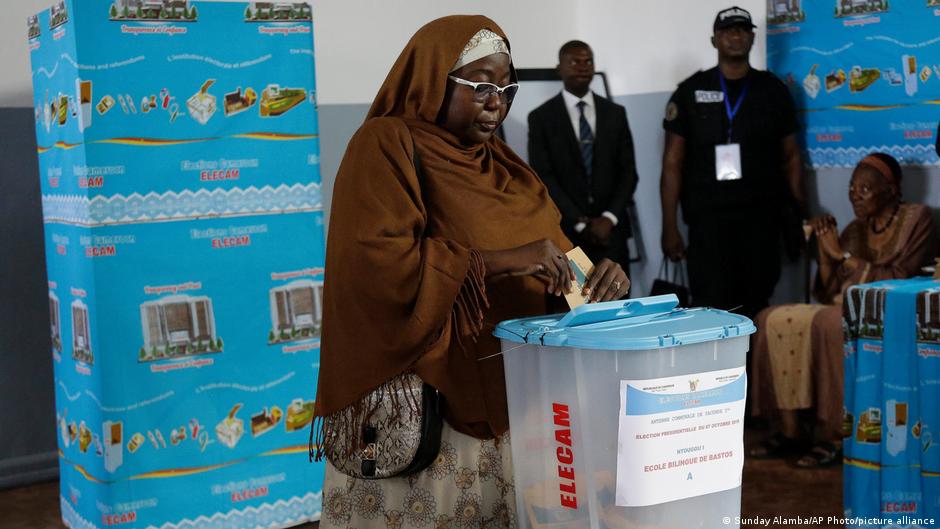
(Washington) Donald Trump signed a decree on Tuesday intended to more harshly regulate postal voting, before the mid-term elections which will take place in November, repeating that this practice was responsible for fraud, an assertion which has never been supported by evidence.
Publié hier Ã

“I don’t see how this can be challenged” in court, said the American president who has been rebelling for years against an electoral system supposedly in his favor, he who has never acknowledged his defeat in the presidential election of 2020 against Joe Biden.
The Republican has said several times that he wants to control more closely the elections, the organization of which is devolved to the American states and not to the federal power, as the mid-term legislative elections approach.
He had already signed a decree a year ago aimed at restricting postal voting and imposing reinforced controls on the electoral lists on the states. Several experts then considered that the text represented an excess of the prerogatives of the executive.
Generally speaking, Republicans criticize postal voting, which has widely expanded in the United States following the COVID-19 pandemic, of encouraging fraud and fueling suspicions about the regularity of voting and results.
However, no proof has ever been provided of the existence of electoral fraud which would have significantly affected the result of an election in the United States.
The center-left think tank Brookings Institution examined a set of election data collected by the Heritage Foundation, a conservative think tank, and found only 39 cases of fraud out of more than 100 million ballots recorded over three decades.
The American Supreme Court debated in mid-March the use of postal voting, and in particular the acceptability of ballots received after polling day, but bearing a postmark dated, at the latest, on voting day.
The Court should rule by the end of its annual session at the end of June, and its decision could therefore apply as early as the mid-term elections in November 2026.