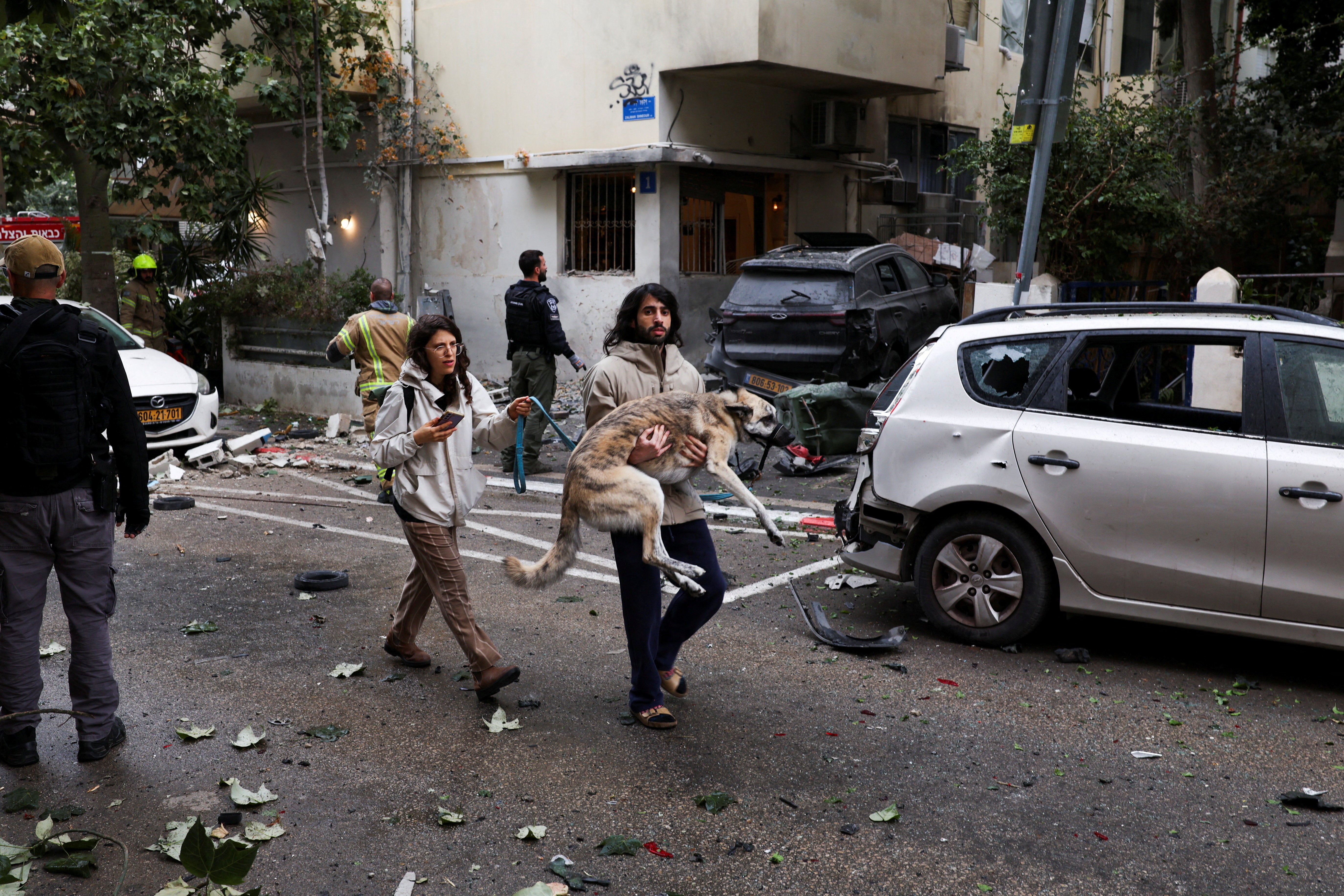
War in Iran, started at the end of February, is entering its second month this week. The prospect of a short-lived conflict (4 to 6 weeks) seems to be receding gradually, and certain economic indicators published last week already reflect the fears of businesses and households about the conflict dragging on. At the same time, international central banks are incorporating new elements into their speeches, without opposing the market’s “aggressive” rate hike expectations. Meanwhile, the United States and Iran have both indirectly announced that negotiations potentially leading to a ceasefire are underway, leaving investors in suspense…
Economist Florent Wabont from Ecofi
In 2025, forced to endure Donald Trump’s bluster and flip-flops on economic policy, market participants have adopted the term “TACO” (Trump Always Chickens Out) to describe his behavior. With each new announcement since Liberation Day – when on April 2, 2025, Trump declared reciprocal tariff levels for the rest of the world before reversing course shortly after – the stock market reaction has initially been negative, albeit modest, followed by a positive trend once the expected reversal occurred…
Could this logic apply to current geopolitical events? In other words, can we easily transition from a situation of war like we would ease tensions in trade? In an ambivalent manner, markets seem to still want to believe, but doubts are increasing…
Thus far, the stock market decline has intensified in recent weeks. The most cyclical segments and those performing well since the beginning of the year have experienced profit-taking. Technology stocks in the United States have also been hit, reflecting concerns that loomed at the start of 2026…
It is worth noting that the Dow Jones and NASDAQ 100 indices have entered “correction” territory, with a 10% drop from their recent highs. Investors are aware that a reversal is always possible, with a quick rebound likely to follow. However, time is of the essence as the longer the conflict persists, the more the economy is at risk of suffering, potentially disrupting the recovery cycle that appeared to be taking shape, especially in Europe…
To read the full article, click HERE.
By Florent Wabont, Economist at Ecofi