The e-health sector aims to develop digital solutions for patients. What are the challenges of this fast-growing sector and for which specific applications?
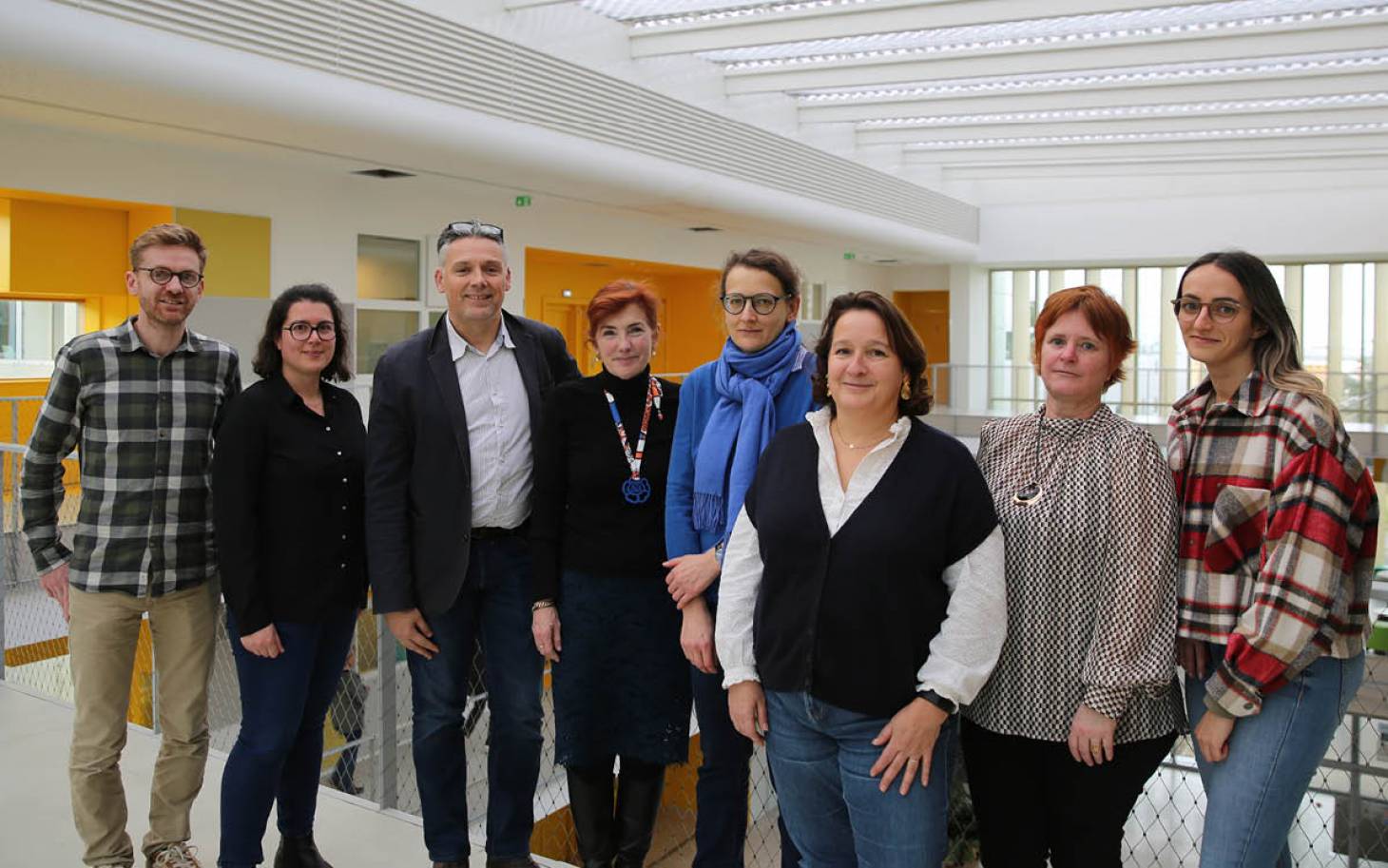
The first Digital Health Meeting is held on Thursday in Poitiers, organized by the experimentation third place Générations Santé Numérique (TLE GSN). Led by the Poitiers University Hospital and six partners, this structure supports the development and experimentation of technological innovations aimed at improving the care of the most vulnerable populations, especially in pediatrics, geriatrics, mental health, and disabilities. Integrated into the Prismatics team, led by Dr. Philippe Rigoard, the TLE GSN also relies on the Clinical Investigation Center of Poitiers (INSERM 1402).
Emerging Projects
Digital health encompasses all digital tools and services applied to the medical field, from prevention to patient monitoring, diagnosis, and treatments. It translates into devices such as digital medical records, telemedicine, connected devices, mobile applications, and artificial intelligence for analysis and diagnosis. This event addresses the various stages necessary for the development of digital health innovation. “Starting from an identified need in the field, the goal is to design a digital medical device,” explains Manuel Roulaud, project manager in technological innovations in health and digital health. “We support project leaders towards technological transfer, in collaboration with the Technopoles of Grand Poitiers, La Rochelle, and Niort, as well as in the stages until they reach the market. Several challenges line this path: interoperability of systems, data security, ethical issues, intellectual property, and regulatory framework.”
Innovations for the Future
Several initiatives illustrate the advancements in the sector, such as an application dedicated to urinary incontinence. “This allows centralizing data, recording episodes in real-time, and offering doctors a more precise assessment.” Another notable project is Imasmart, led by Dr. Adrien Julian. This solution, currently in development, aims to collect passive data through an application to detect Alzheimer’s disease early. In La Rochelle, the company Hopevalley.ai has also developed technology dedicated to early detection of breast cancer. These tools contribute to making care more efficient, accessible, and personalized.