Coming home after a day of work is a daily gesture that I used to do effortlessly. I would exit the adapted transport and head towards the lobby of my building.
Since the installation of a bike lane, things have become much more dangerous – and it happened overnight, without warning.
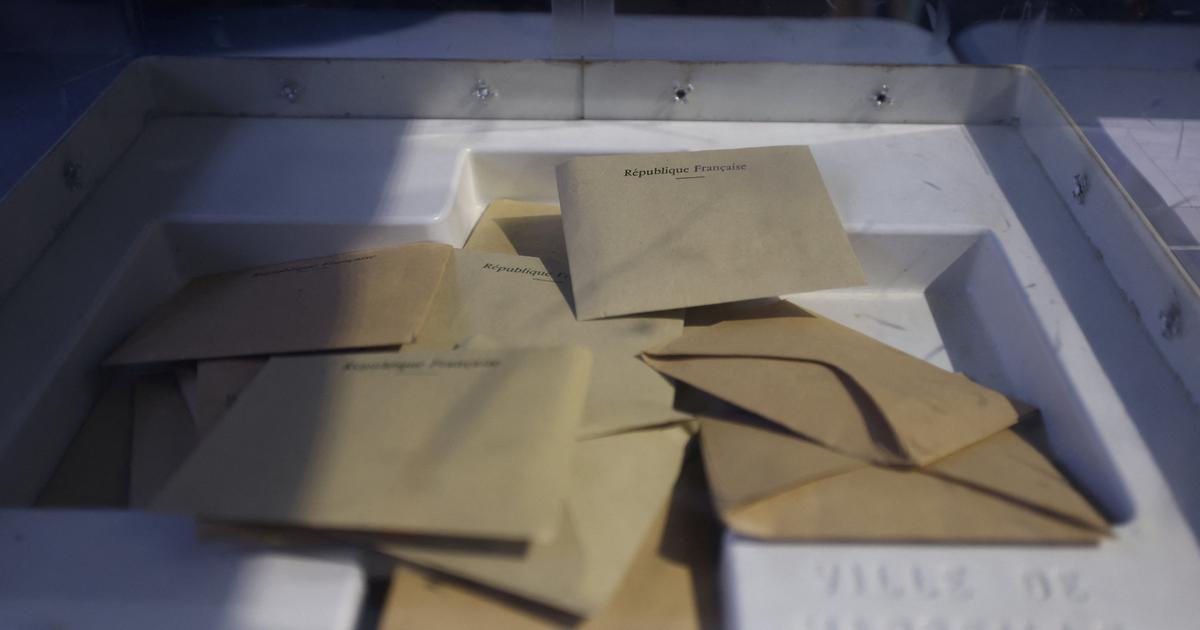
So you can imagine my concern when Elections Canada announced that, for the Terrebonne by-election, it would be necessary to write the name or initials of the candidate.
Voting independently is a gain that visually impaired persons have achieved after a long battle. Elections Canada provides human assistance, but it’s us who place the famous X, alone and confidently, thanks to a Braille template.
But a Braille template does not allow for writing a name. After going to great lengths to get information, I understood that I would have to be accompanied, or that an Elections Canada employee could write the name for me. I was dismayed.
This accommodation, intended for individuals with functional limitations preventing them from holding a pen or making a mark, is very important, but it does not meet the needs of a blind person.
A person with a motor limitation can verify if the person has written the correct name. I cannot. And yet it is a foundation of our democracy.
When I started voting 40 years ago, I would give my vote out loud, in front of an Elections Canada person and all the parties present at the polling station, to ensure that my vote was going to the right party.
A very unpleasant and non-confidential process. A practice that ended about 25 years ago when we had Braille templates and could vote confidentially.
I understand that Elections Canada’s plan does not require the presence of different parties. So they consider the impossibility of writing, but not of validating one’s vote.
I understand the issues related to ballot size, but the decision made by Elections Canada deprives us of the possibility to vote independently.
For now, this way of doing things affects Terrebonne, but what is the plan for the future? Ask yourself how you would feel if you had to publicly announce your choice without the possibility of validating that choice was correctly recorded. Now, ask why the approximately 320,000 visually impaired people in Quebec should experience this.
Pascale Dussault, administrator of the Regroupement des aveugles et amblyopes du Québec (RAAQ)